The Regulars Know First: Turning Customer Gripes Into HVAC Intelligence
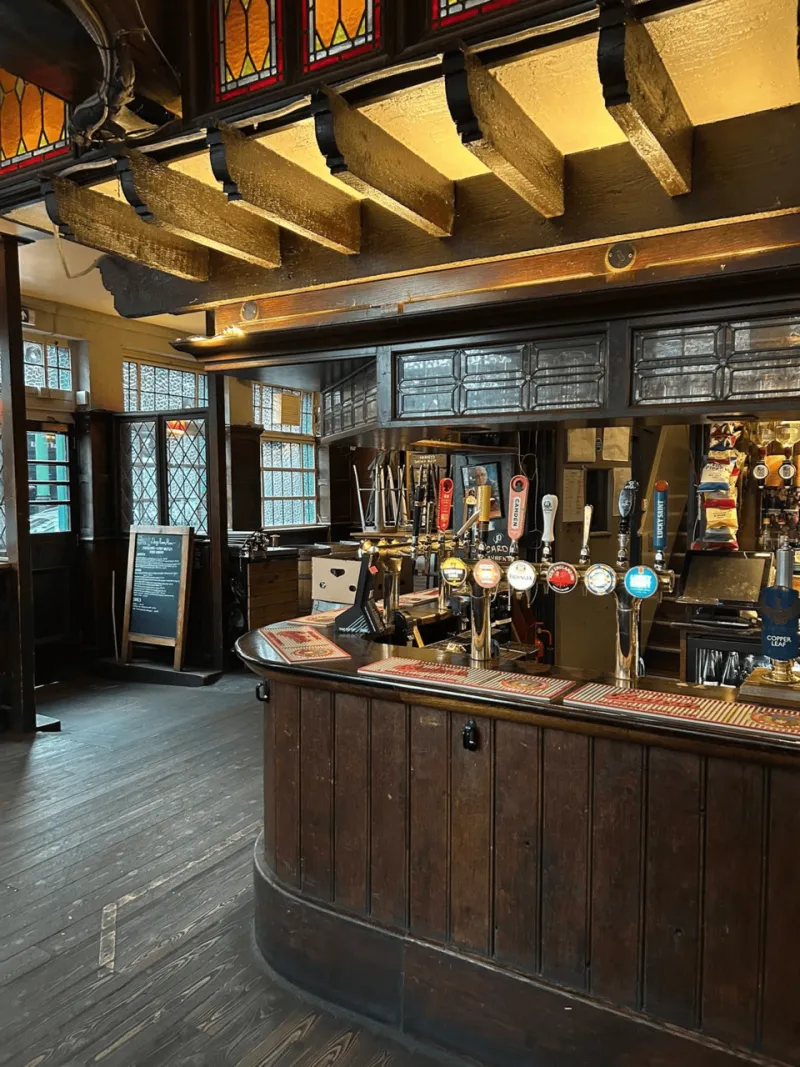
Photo: 55belgianbeerfan, CC0, via Wikimedia Commons
Ask a publican what their regulars complain about and you will rarely hear about the beer. You will hear about the draft that whistles through the corner table by the door in November, or the upstairs function room that becomes unbearable by nine o'clock whenever the place is full. These observations arrive as offhand remarks, half-jokes, muttered complaints at the bar. Most businesses let them evaporate.
That, we would argue, is a waste of perfectly good diagnostic data.
The Informal Sensor Network You Already Have
A maintenance log records what an engineer found on the day they visited. It is, by design, a snapshot. Your customers and staff, by contrast, are monitoring the building continuously — every opening hour, every season, every weather system that rolls in off the Atlantic.
A shop assistant who notices that the till area near the entrance is always cold has effectively logged a recurring airflow imbalance. A diner who asks to move tables because the ceiling unit above booth four is 'dripping with condensation' has identified a drainage fault in its early stages. Nobody writes these things down, and so they never make it onto a job sheet until they graduate into genuine failures.
The gap is not a lack of information. It is the absence of any mechanism for capturing it.
What the Anecdotes Actually Tell an Engineer
Soft feedback is rarely precise, but it is frequently directional. Consider what different complaints map to:
- 'It's stuffy in the back' often points to insufficient fresh air supply or poor air distribution in low-occupancy zones — a ventilation design issue, not a servicing failure.
- 'That unit hums' may indicate bearing wear, loose panels or refrigerant flow noise, any of which are far cheaper to address early.
- 'It never gets properly warm in here' can signal capacity shortfall, degraded heat exchanger performance, or simply a system that has never been recommissioned after a refit changed the layout.
- 'There's a smell when it kicks in' is one of the most valuable reports a business can receive, since odours frequently precede visible mould or blocked condensate problems.
An experienced engineer can triage a dozen such comments in a site visit and often identify patterns the individual complainants could never see — three reports from different corners of a shop floor describing the same underlying ductwork defect, for instance.
Three Sectors, Three Feedback Cultures
Hospitality. Pubs and restaurants sit on a goldmine because their customers return. A landlord who hears the same complaint twice from the same regular is receiving a longitudinal data point no single visit could produce. Yet most licensees have no route for feeding this into their servicing schedule beyond a vague memory when the contractor phones in spring.
Retail. Staff in chain stores frequently report the same thermal complaints across branches — a pattern that suggests estate-wide issues rather than local faults. Head office facilities teams who aggregate this feedback can prioritise capital works with far more confidence than those relying on reactive call-outs alone.
Healthcare and clinics. Waiting rooms generate particularly candid feedback, partly because occupants have time to notice their surroundings. Patients commenting on stuffiness are, in effect, auditing your ventilation rates — a matter of genuine regulatory interest under workplace ventilation guidance, not merely of comfort.
Building the Feedback Loop
Formalising soft feedback need not be bureaucratic. In our experience, three practices deliver most of the value:
First, give complaints a destination. Whether it is a shared log, a simple form at the service desk, or a standing item in the weekly facilities meeting, the complaint needs somewhere to land that is not a manager's memory.
Second, translate anecdotes into engineer language. 'The room by the fire is always freezing' becomes a note about zone-specific heating shortfall with an approximate location. Vagueness at the point of capture is fine; vagueness at the point of handover is not.
Third, share the feedback with your maintenance contractor. A servicing visit informed by three months of occupant comments is a fundamentally different exercise to a routine inspection. The engineer knows where to look, what to measure and which questions to ask. This is arguably the single cheapest improvement available to most maintenance regimes — it costs nothing but organisation.
A Quiet Competitive Advantage
There is a commercial argument here beyond asset care. Customers who feel physically comfortable stay longer, spend more and return. Staff who are not fielding the same complaint every week are free to do their actual jobs. And a building whose problems are caught through a two-minute conversation rather than a four-figure emergency call-out is a building costing its owner considerably less.
The quiz question, then, is not whether your customers can describe your building's faults. They can, and they will, whether you listen or not. The question is whether the answer ends up in a maintenance log or simply drifts out of the door with the draught.