The Damp Ledger: What Hidden Moisture Is Costing Your Commercial Building
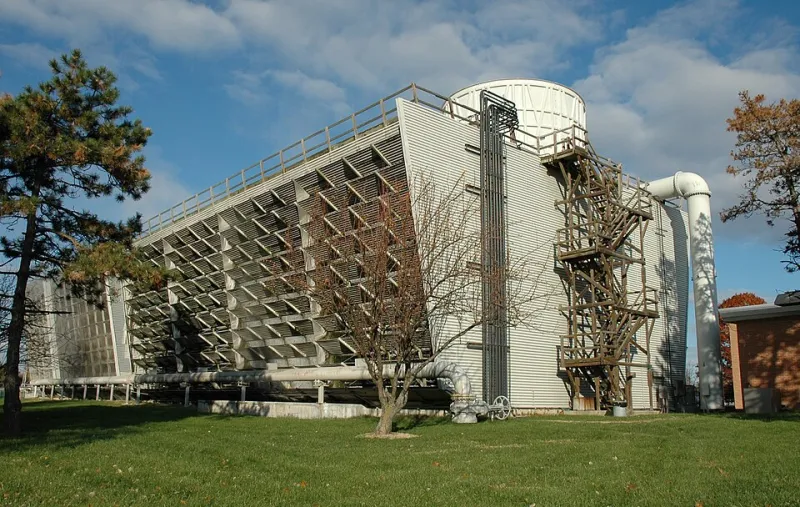
Photo: Kellyyxshen, CC0, via Wikimedia Commons
Ask any facilities manager about their building's climate and you will hear a number. Twenty-one degrees, perhaps, or twenty-two. What you will rarely hear is a relative humidity figure — and that omission is quietly costing UK businesses money in ways that never appear on the energy bill.
Moisture in the air is the invisible half of indoor climate control. Get it wrong and the consequences surface everywhere: warped packaging in a stockroom, musty corridors, condensation streaming down a shopfront on a cold January morning, or gym members complaining the equipment feels sticky despite the thermostat reading a textbook twenty degrees.
Why Temperature Alone Tells You Nothing
Relative humidity describes how saturated the air is at a given temperature. Warm air holds more moisture than cold air, which is why the same moisture load produces radically different conditions across a day. A leisure centre that feels comfortable at 8am can feel clammy by the afternoon spin class, even if the temperature has not shifted.
The comfort zone for most occupied commercial spaces sits between 40% and 60% relative humidity. Below that range, staff complain of dry throats and static shocks; above it, the building begins to feel heavy, and the risks multiply.
The Tell-Tale Signs of Imbalance
Excess moisture announces itself in stages. The early warnings are easy to dismiss:
- Fogged glazing on shopfronts and office windows, particularly during temperature swings
- A persistent musty smell in plant rooms, changing areas or storerooms
- Condensation on cold surfaces such as metal ductwork, pipework and single-glazed panels
- Sticky or clammy conditions reported by occupants even at normal temperatures
Left unaddressed, these escalate. Mould colonises plasterwork and ceiling tiles. Timber flooring cups and lifts. Cardboard packaging softens, and retailers find themselves writing off stock. In leisure environments, persistent surface moisture becomes a slip hazard and a hygiene concern in equal measure.
Different Buildings, Different Problems
There is no single ideal humidity figure for commercial property — the target depends entirely on what the building does.
Gyms and leisure centres generate enormous moisture loads from pools, showers and perspiration. Without dedicated moisture extraction, chloramine-laden air drifts into adjoining spaces, corroding steelwork and degrading air quality throughout the building.
Retail units face the shopfront problem: warm, moist internal air meeting cold glazing produces condensation that obscures displays and signals poor building management to every passing customer.
Warehouses and stockrooms risk product degradation, particularly for paper goods, textiles and electronics. Moisture damage here is rarely dramatic — it is a slow attrition of sellable stock.
Offices sit at the milder end, but chronically damp air drives up absence complaints and encourages dust mites, while over-dry air in winter leaves staff reaching for lozenges and blaming the heating.
Why More Cooling Is the Wrong Answer
The instinctive response to a clammy building is to lower the set point. This is expensive and usually ineffective. Air conditioning does remove some moisture as a by-product of cooling, but running the system colder to dry the air means overcooling the space — driving up energy consumption while occupants reach for cardigans.
A properly specified dehumidification strategy attacks the moisture load directly. In many commercial settings, a dedicated dehumidifier or a heat-recovery ventilation system with humidity control will achieve better results at a fraction of the running cost of pushing the cooling system harder.
For buildings with pools or high occupancy, modern systems can recover heat from the extracted moist air and redirect it into water heating or space heating — turning a waste stream into a saving.
When to Act
The right moment to review humidity control is before the symptoms appear, not after the mould remediation invoice lands. A practical starting point:
- Measure, don't guess. Inexpensive data loggers will map relative humidity across your building over a working week.
- Identify the moisture sources. Pools, kitchens, high occupant density and poor fabric insulation each demand different responses.
- Review ventilation strategy. Balanced supply and extract ventilation, with humidity control, prevents moisture building up in the first place.
- Bring maintenance into scope. Humidity sensors, condensate drainage and ventilation filters all need a place on the servicing schedule.
The Bottom Line
Humidity is not a secondary concern tucked behind temperature — it is a core component of a healthy, efficient commercial building. Businesses that measure it, manage it and invest in the right equipment protect their stock, their fabric and their people, often while reducing overall energy spend.
If your building is fogging, smelling musty or simply feeling heavier than it should, the answer may not be more cooling. It may be drier air — and that starts with a proper assessment of what is actually in the atmosphere you are paying to condition.